

PlugMapper Insights
The Great EV Charging Standard Shake‑Up: NACS vs. CCS (2025 Update)
With SAE J3400 (NACS) racing ahead and CCS still ubiquitous, here’s what the charging standard shift means for EV drivers, fleets, and site hosts.
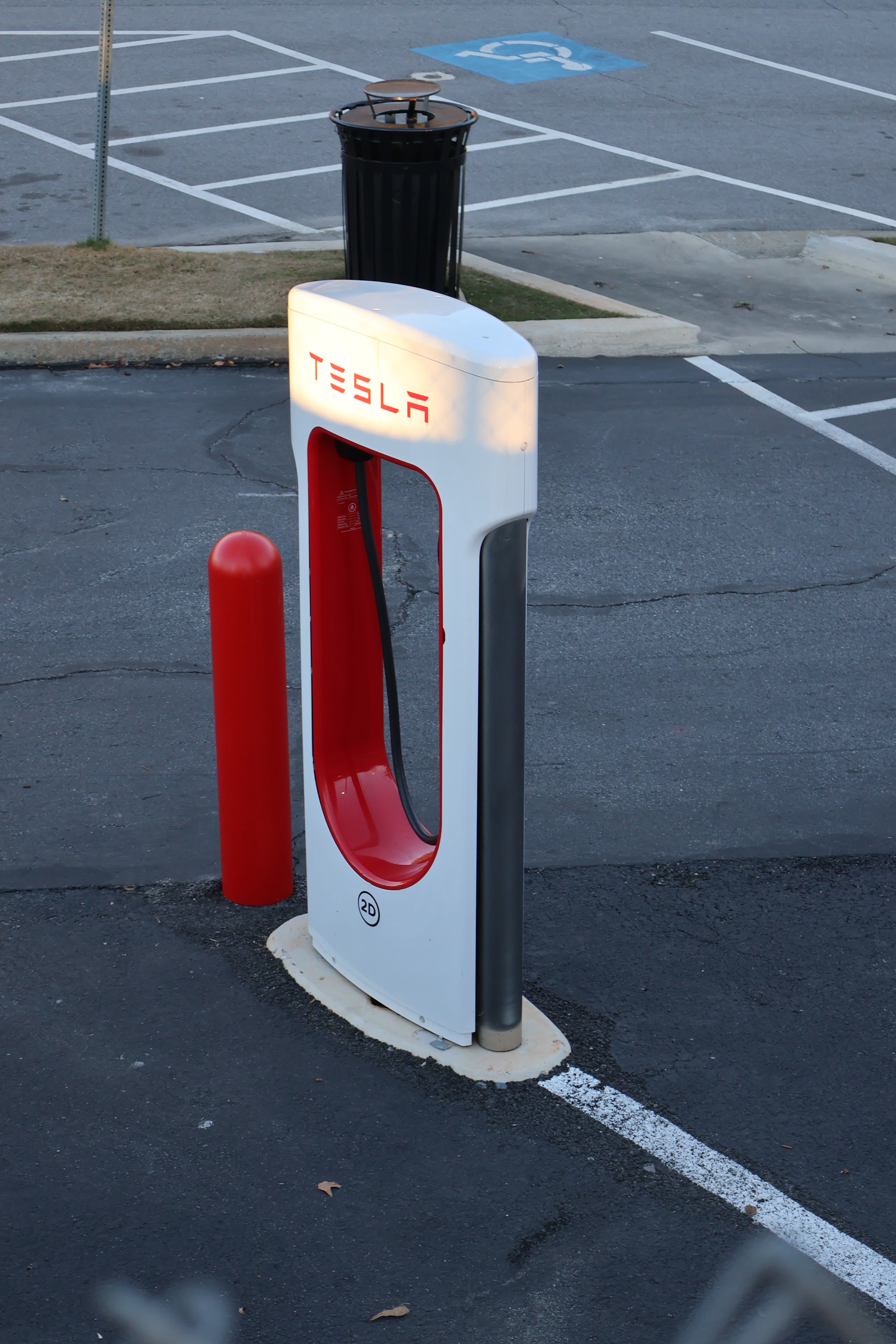
North America is in the middle of its biggest EV charging transition yet: the rapid shift from the Combined Charging System (CCS1) to Tesla’s plug, now standardized by SAE as J3400 and commonly called the North American Charging Standard (NACS). Automakers and networks have announced sweeping plans to adopt J3400/NACS across new vehicles and public fast‑charging sites, but CCS remains widespread and will be supported for years. Here’s what changed, why it matters, and how to prepare as a driver, fleet, or site host. Read more
NACS (SAE J3400) vs. CCS in plain English
Both NACS and CCS can deliver very high‑power DC fast charging. The biggest day‑to‑day difference most drivers notice is connector size and cable weight—NACS is smaller and lighter, which many users find easier to handle. Under the hood, both rely on common communication standards (ISO 15118 families) that enable features like Plug & Charge as networks and vehicles implement them. SAE formally standardized the Tesla connector as J3400 in 2023–2024, clearing the path for industry‑wide adoption. Read more
How we got here: the J3400 milestone
SAE’s publication of J3400 (NACS) in late 2023, coupled with subsequent technical work in 2024, provided a neutral, open standard that suppliers, automakers, and networks could adopt without licensing barriers. That unlocked a wave of commitments: OEMs planning J3400 ports on new models and charging providers adding J3400 cables alongside CCS. Example: Electrify America and ChargePoint both announced J3400/NACS support on their public DC fast‑charging equipment. Read more
Who’s switching—and when?
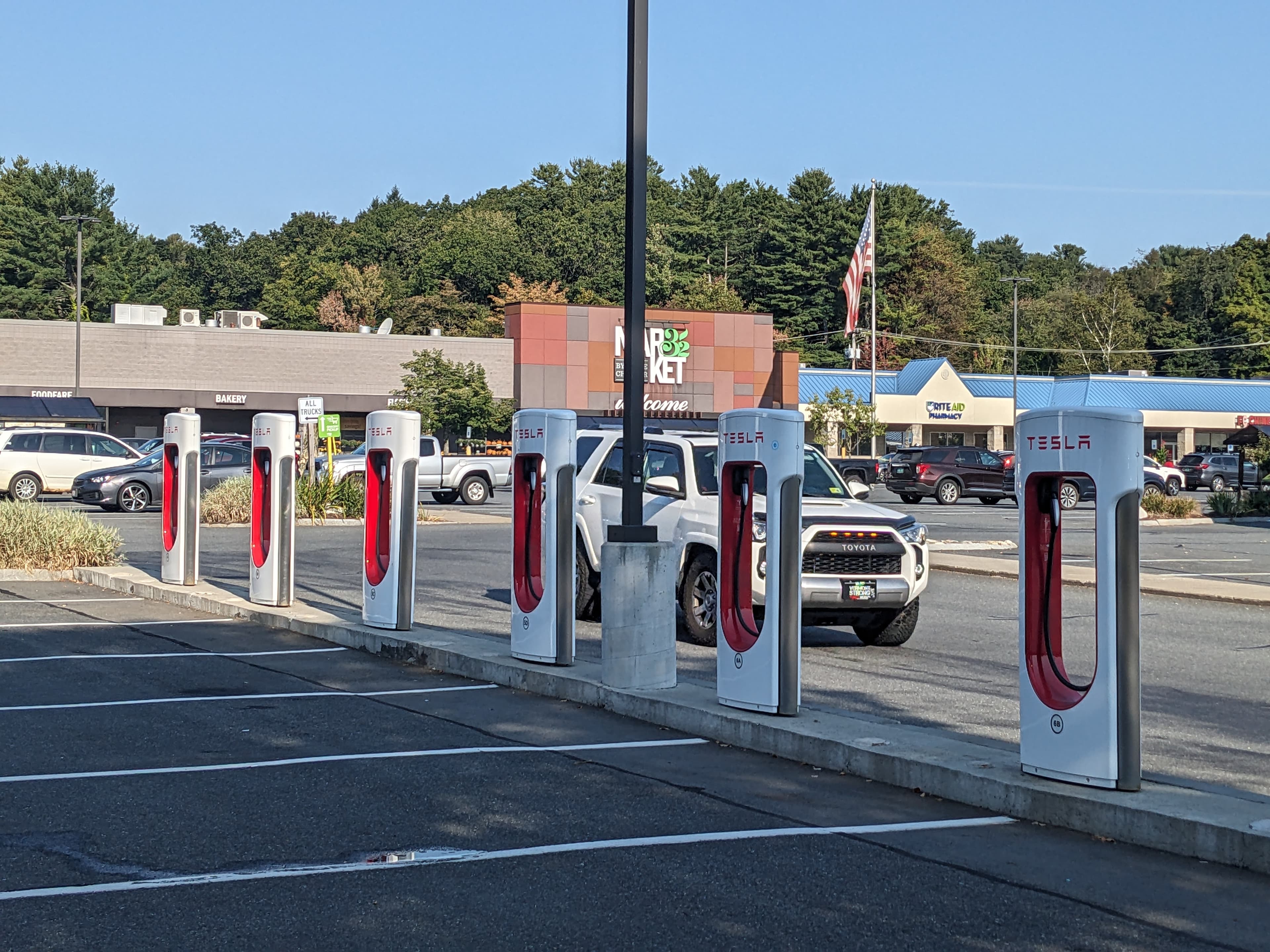
Automakers have been announcing timelines to ship EVs with native J3400/NACS DC ports. For example, Nissan’s all‑new 2026 LEAF press kit confirms a NACS DC fast‑charge port (with J1772 for AC), while GM’s revived 2027 Chevrolet Bolt lists a standard NACS port and access to the Supercharger network. Major public networks are adding J3400 cables in parallel with CCS, and some offer adapters where appropriate. Read more
Beyond hardware, integrations with existing roaming partners continue to expand. GM and EVgo, for instance, surpassed 2,000 co‑branded fast‑charging stalls by late 2024—illustrating that capacity expansions are moving in step with the connector transition rather than waiting for it to finish. Read more
Is CCS going away?
No—CCS will remain part of the North American landscape for years. Many 2017–2025 EVs rely on CCS1 for DC fast charging, and public sites have already invested heavily in CCS dispensers. Most new highway sites are likely to deploy dual‑cable dispensers (CCS and J3400) or a mix of pedestals so legacy vehicles and newer J3400 cars can both charge. Policy also plays a role: early NEVI program rules referenced CCS as the required connector to qualify for federal funding; networks adding J3400 are doing so alongside CCS to serve all drivers while regulations and specs evolve. Read more
Reliability and the experience layer
Connector shape alone won’t guarantee a great charging stop—software, maintenance, power delivery, payment, and site design matter just as much. J.D. Power’s 2025 U.S. EVX Ownership Study again highlighted reliability and uptime as top pain points for public charging. The industry’s bet is that converging on a single physical connector (J3400) plus better software (like Plug & Charge with ISO 15118) will reduce friction and make it easier to deliver consistent service. Read more
What this means for drivers (2025–2027)
- Adapters: If you own a CCS‑only EV, consider a vetted CCS→J3400 adapter as more sites add J3400 cables (check your automaker/network guidance).
- Apps & accounts: Enable Plug & Charge where available to skip app taps—support depends on your car, network, and region. Read more
- Trip planning: Expect more J3400 cables at highway sites; still keep CCS locations pinned if your EV needs them. Read more
- Home & workplace: AC charging isn’t affected—J1772 remains common for Level 2. Many new EVs with J3400 for DC still use J1772 for AC. Read more
What site hosts and fleets should plan for
- Dual‑cable or modular pedestals: Spec dispensers that can serve both J3400 and CCS to maximize utilization during the transition.
- Software & payments: Prioritize OCPP‑compliant hardware and ISO 15118 features (e.g., Plug & Charge) to streamline user experience. Read more
- NEVI compliance: If seeking public funds, confirm current connector and uptime requirements and design to exceed them. Read more
Bottom line
NACS/J3400 is on track to become North America’s common DC fast‑charging connector, but CCS support and investments won’t vanish. For the next several years, expect a mixed ecosystem—with more sites offering both cables, more vehicles shipping with J3400 ports, and a growing role for Plug & Charge. The winners will be drivers who plan ahead and networks that treat reliability as the product.