

PlugMapper Insights
The Adapter Era Is Here: NACS vs. CCS, Supercharger Access, and What Actually Works Today
From Porsche’s Supercharger access to Hyundai’s free adapters and EVgo’s ban on DC extension cables—here’s a no‑nonsense guide to plugs, policies, and driver reality.
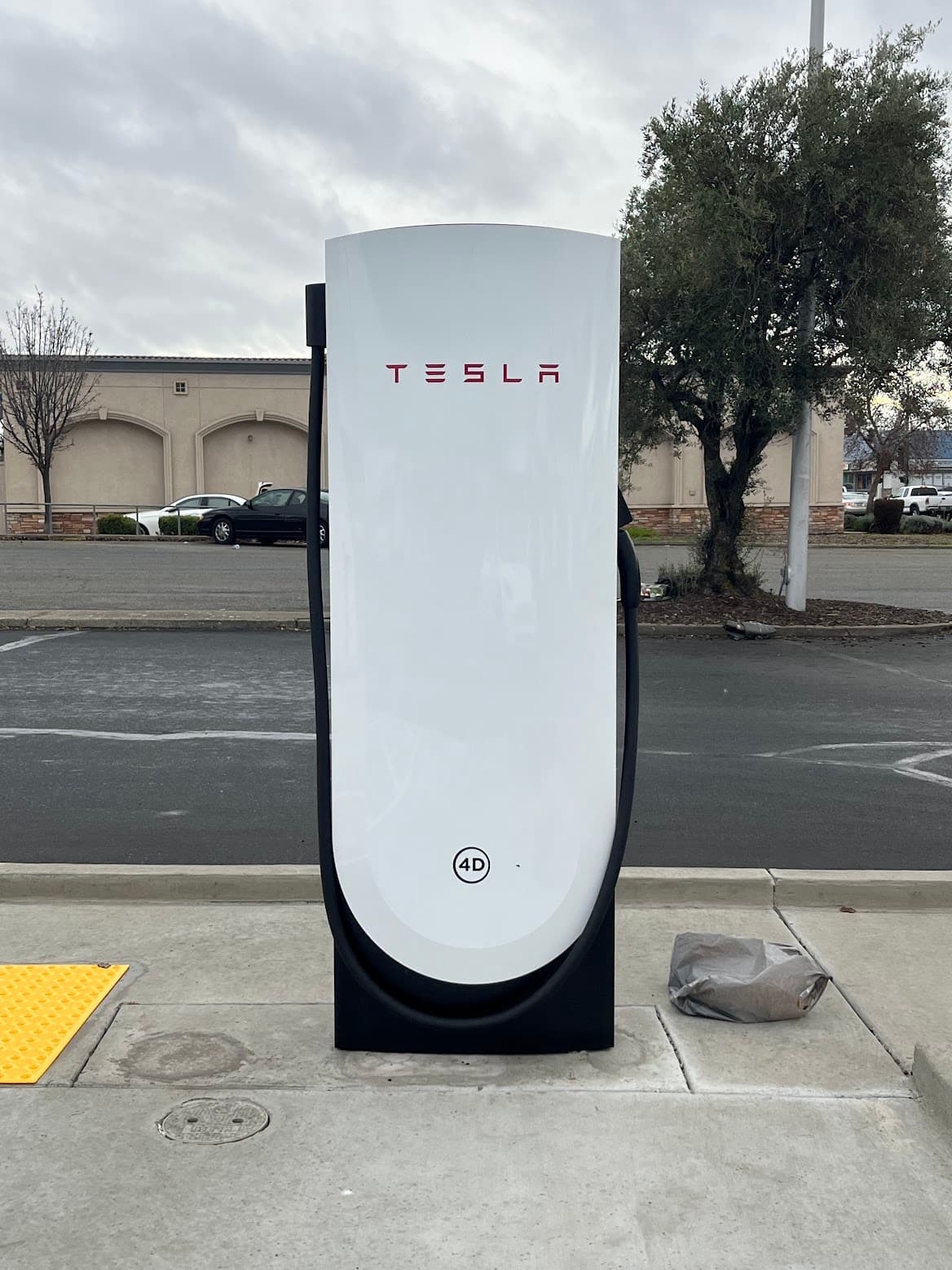
Scroll r/electricvehicles for five minutes and you’ll see it: we’re living through the plug crossover. More non‑Tesla brands are turning on Supercharger access (sometimes via adapters), while networks clarify which adapters are allowed—and which are banned. The goal is simple: fewer dongles, more plug‑and‑go. But in late 2025, you still need to know the rules on your route. Read more
Quick primer: NACS vs. CCS in 30 seconds
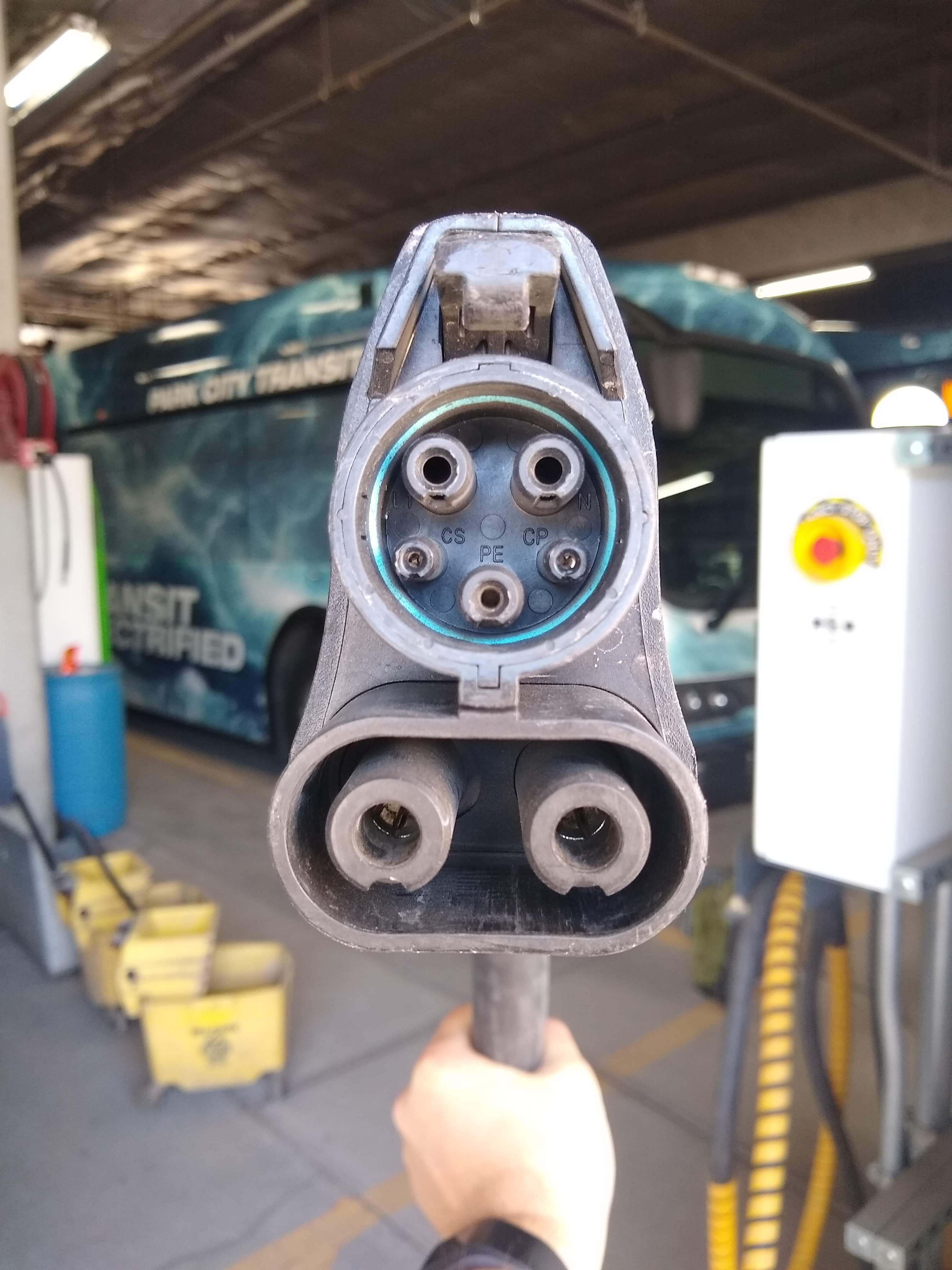
In North America, the Tesla‑designed plug is now known as NACS. CCS (specifically CCS1 in the U.S. and CCS2 in Europe) is the other big standard. Most non‑Tesla EVs shipped with CCS1 ports until recently. Now, many are adopting native NACS ports—or using authorized NACS adapters—to access Tesla Superchargers. Read more
What changed this fall (and why it matters on your next trip)
Porsche owners got a soft‑launch to the Supercharger network in September—more than 23,000 Superchargers across North America, initially via the Tesla app. Meanwhile, Hyundai/Genesis offered complimentary NACS adapters to eligible owners earlier in 2025. These programs are exactly what r/EVCharging commenters kept asking for: a reliable, single‑cable experience at high‑density sites. Read more
Adapters: the good, the bad, and the banned
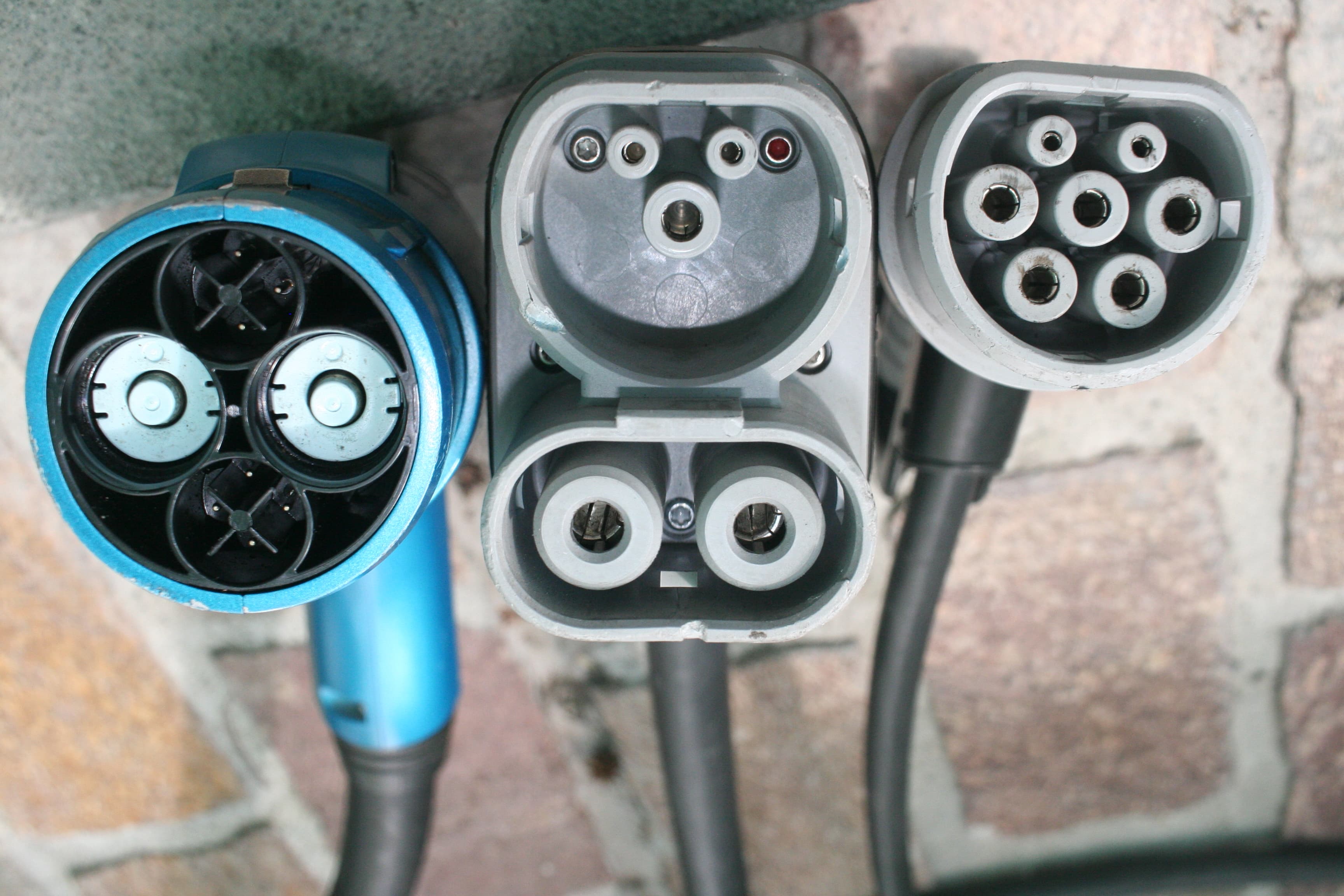
Not all adapters are welcome. EVgo explicitly prohibits DC extension cables and “breakaway” adapters in its terms; only automaker‑made adapters with proper certifications are allowed. Tesla similarly disallows third‑party DC adapters on Superchargers. Networks cite safety, overheating risk, and liability. If a product isn’t clearly permitted by the network and your automaker, don’t bring it to a DCFC site. Read more
Plug & Charge spreads (and it changes everything at the curb)
More brands are rolling out Plug & Charge that lets the station authenticate the car automatically—no cards or apps. Rivian’s latest update, for example, brings Plug & Charge with Electrify America and IONNA alongside live charger data in its navigation. That kind of cross‑network convenience has been a top wish list item in the subs for months. Read more
Who’s IONNA? It’s the multi‑automaker network built by BMW, GM, Honda, Hyundai, Kia, Mercedes‑Benz and others; they’re rolling out “Rechargeries” with a focus on reliability, amenities, and speed. Expect more native NACS stalls, with CCS in the mix at some sites. Read more
Driver reality on the ground: what to do before you roll
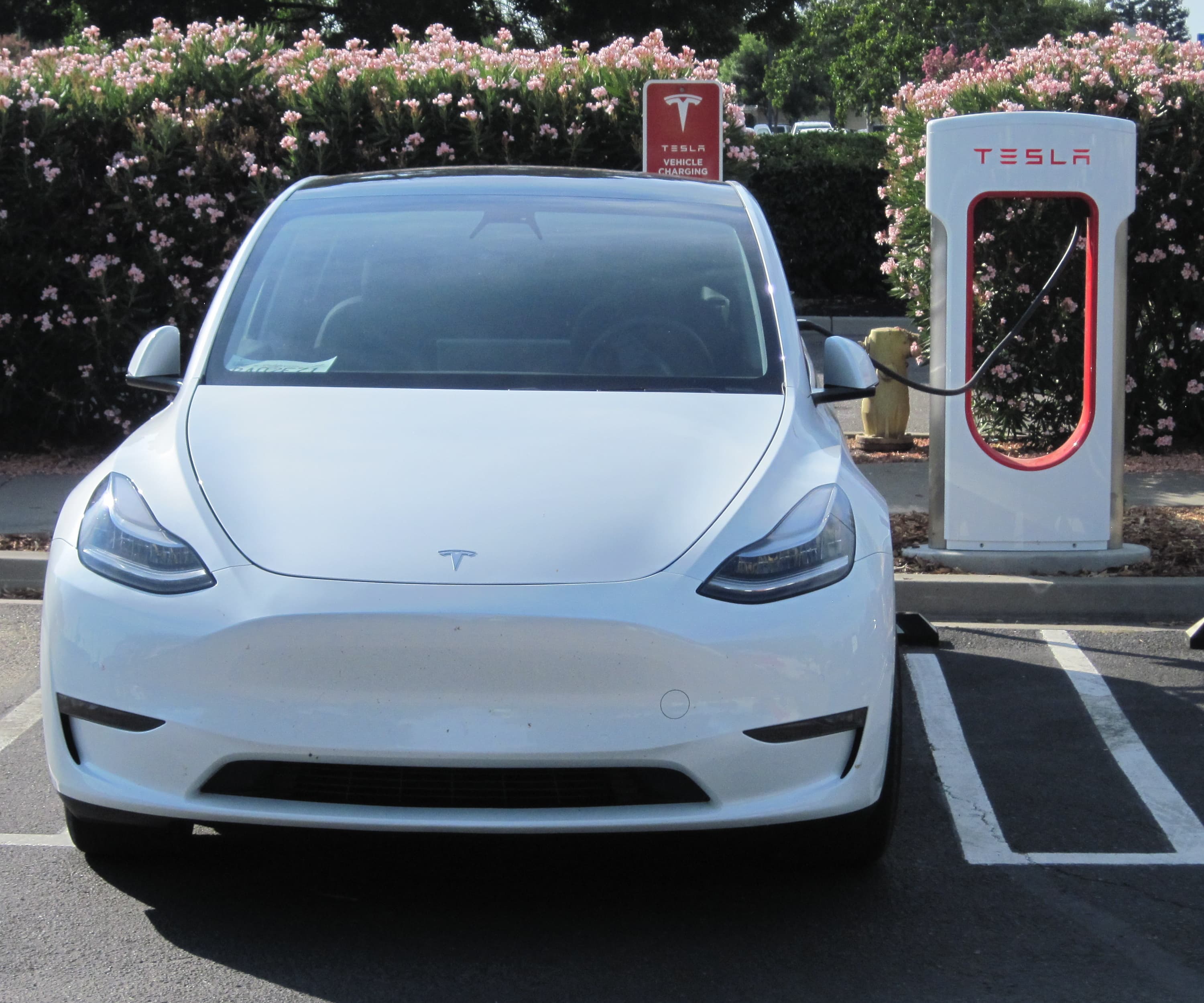
- Confirm your access: If your car supports Superchargers via NACS or an adapter, test it locally before your trip. Some launches are “soft” and app‑dependent. Read more
- Stick to authorized adapters: Automaker or officially supported adapters only—especially at DC fast chargers. Networks are cracking down on unauthorized accessories. Read more
- Use long‑cable stalls when you can: Newer V4 Superchargers with longer cables make it easier to reach off‑side charge ports without blocking adjacent stalls. Read more
- Plan with PlugMapper: Filter by connector (NACS/CCS), speed (≥150 kW), and amenities. If a site is busy, flip to a parallel corridor or alternate network.
What the communities keep saying (and why it’s smart)
The r/EVCharging hive mind returns to the same advice: avoid sketchy third‑party DC adapters, charge off‑peak when possible, and keep two viable networks in your back pocket. The recent Google Maps live‑status add for EA is a small change with big ripple effects—you’ll pick the emptier site and get in/out faster. Read more
On the bright side, adapters are a bridge—not a lifestyle. The destination is simple: pull up, plug in, done.