

PlugMapper Insights
EV Tires in 2025: What Drivers Are Really Seeing—Wear, Range, and Cost (Plus How to Make Them Last)
Do EVs really chew through tires faster? Here’s a driver-friendly guide to wheel size, compound choices, rotation schedules, and real costs—shaped by what owners are reporting right now.
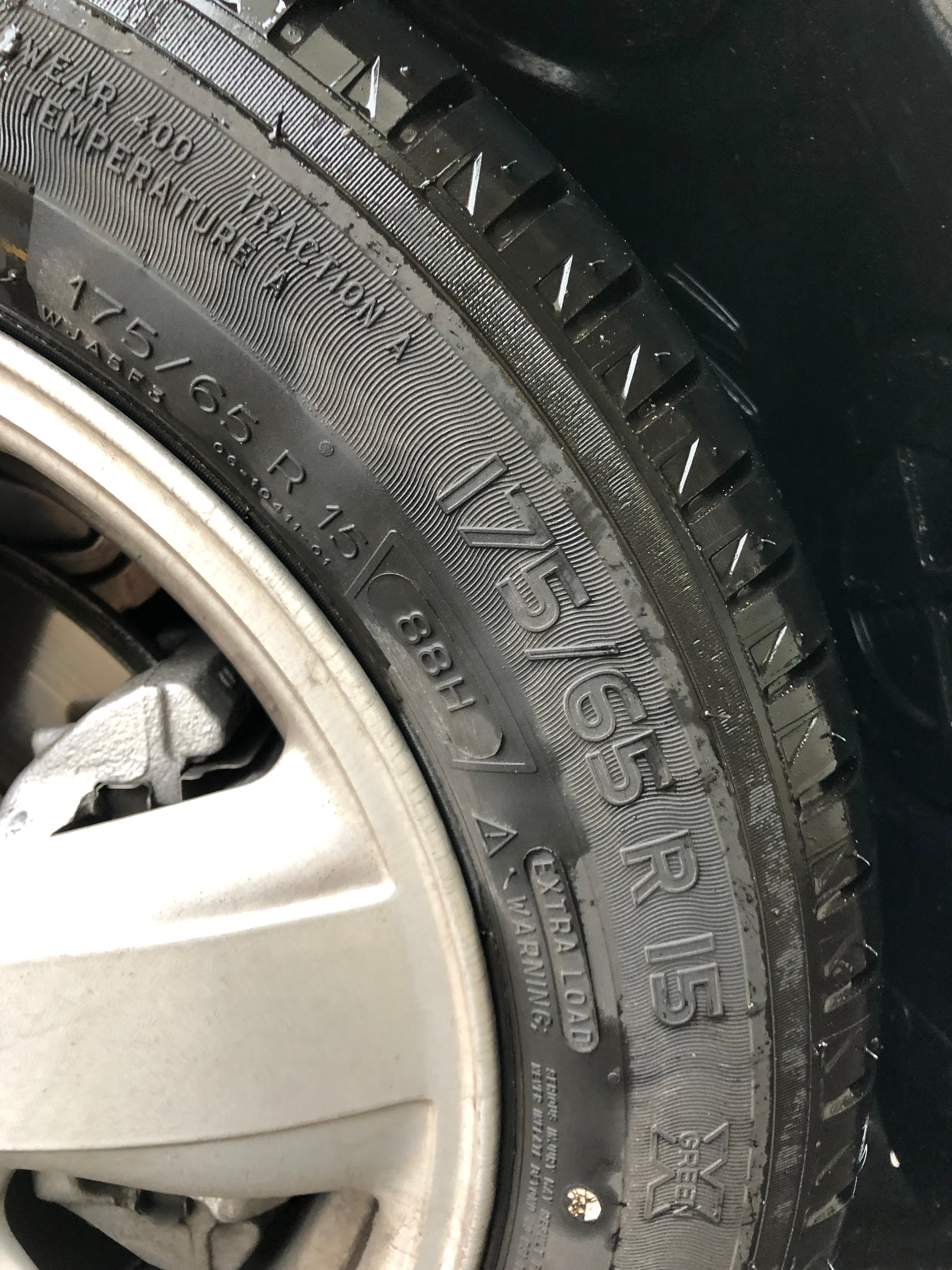
If you hang out in r/electricvehicles or r/EVCharging, you’ve seen the same debate flare up every few months: do EVs burn through tires faster, and is the extra cost worth it? The short answer: heavy, torquey EVs can wear tires more quickly—especially with wide, sticky OEM fitments—but driving style, alignment, wheel size, and rotation discipline matter just as much. Read more
Consumer Reports has spent the last year testing EV‑labeled replacements against regular all‑season tires and found tradeoffs between grip, noise, efficiency, and longevity—no single winner for everyone. The upshot is that you should choose based on your priorities, not because the sidewall says “EV.” Read more
J.D. Power’s latest OE tire satisfaction studies also show EV owners reporting faster perceived wear than ICE owners—driven by higher curb weights and instant torque—but satisfaction varies widely by brand and vehicle segment. Read more
Why Some EVs Wear Tires Faster (and How to Fight Back)
Weight and torque are the headliners. Add in aggressive wheel fitments (20–22" low-profile rubber), soft OE compounds tuned for quietness, and lots of stop‑and‑go torque, and you’ll see quicker shoulder scrubbing. But we’ve also seen plenty of owners post 35–45k miles by keeping pressures in check and rotating on schedule. Read more
- Rotate every 5,000–7,500 miles—fronts shoulder‑wear fast on heavy EVs. If your manual says 10k, do 7.5k. Read more
- Mind the PSI. A 2–3 PSI drop can spike wear and cost you range. Check monthly and before long trips. Read more
- Dial back launch torque in rain/cold. Traction control helps, but smooth throttle saves tread. Read more
- Ask for a four‑wheel alignment when you buy tires. Fresh EVs can be slightly out from the factory. Read more
- Right‑size your wheels. Dropping from 21" to 19–20" often improves ride, range, and tire life. Read more
Wheel Size, Noise, Range—Pick Your Poison
Big wheels look fantastic, but they’re heavier and ride on thinner sidewalls. That means more impact harshness and usually a hit to efficiency. Consumer Reports has seen EV replacement tires vary several percent in range, and real‑world owner logs echo that change when swapping between efficiency‑focused and sticky performance compounds. Read more
How Much Does Tire Wear Really Cost?
Sticker shock is real. A set of 20–21" EV‑rated tires can run well over $1,200 installed, but many owners are stretching intervals with conscientious maintenance and by choosing a harder, low‑rolling‑resistance compound. J.D. Power’s 2024 and 2025 surveys show satisfaction gaps tied more to expectations and driving patterns than EV‑ness alone. Read more
There’s also an environmental thread. Emissions Analytics’ research on tire particulate has pushed the industry to look at compounds and vehicle mass. Their tests argue heavier vehicles (including EVs) can increase tire particle mass—but regenerative braking also reduces brake dust. It’s a nuanced picture drivers should be aware of. Read more
Picking Replacements: A Quick Checklist
- Start with your use case. Highway commuter? Prioritize low rolling resistance and noise ratings. Read more
- Check load index and EV/XL specs. Heavy EVs need proper load and sturdier sidewalls. Read more
- Don’t chase UTQG alone. A higher treadwear number can help, but compounds vary by brand and tire. Read more
- Ask for a road‑force balance. It often fixes the light vibration that masquerades as “EV tire noise.” Read more
- If winter bites, run real winters. All‑weather is decent, dedicated winters are safer below ~45°F. Read more
A Quick, Real-World Story
Picture this: you’re on I‑5 near Redding in August, cabin a cool 72°F, but the asphalt’s radiating heat. You glance at the PlugMapper app to pick a lunch stop with a quick charger and a tire shop in the same plaza—just in case. The car feels floaty over expansion joints, so you check pressures on the next stop: all four are down 3 PSI from morning temps. A top‑off and you can feel the steering firm up, efficiency climb back a couple of percent, and tread temps even out. It’s the least glamorous part of road‑tripping electric, yet the most satisfying when everything feels dialed.
On a cold morning in Montreal, the calculus flips. Softer winter rubber, a little less PSI, and gentler throttle keep your shoulders from feathering. The point isn’t that EVs are special snowflakes—it’s that EV weight plus instant torque magnifies good and bad habits. Get the basics right and most of the scary tire stories fade into background noise. Read more
PlugMapper Tip: Route Stops Near Tire Shops
If a TPMS warning pops mid‑trip, open PlugMapper and check chargers with on‑site service or a tire shop within a short walk. It beats limping to an unfamiliar exit and guessing where to go. On busy corridors, I keep a mental list of plazas with both DC fast chargers and tire service so I can rotate or plug a puncture while I juice up.
Three Wikimedia images you can reuse in this post
- Car tire close-up (hero): https://commons.wikimedia.org/wiki/Special:FilePath/Car%20tire%20closeup%201%202019-01-15.jpg
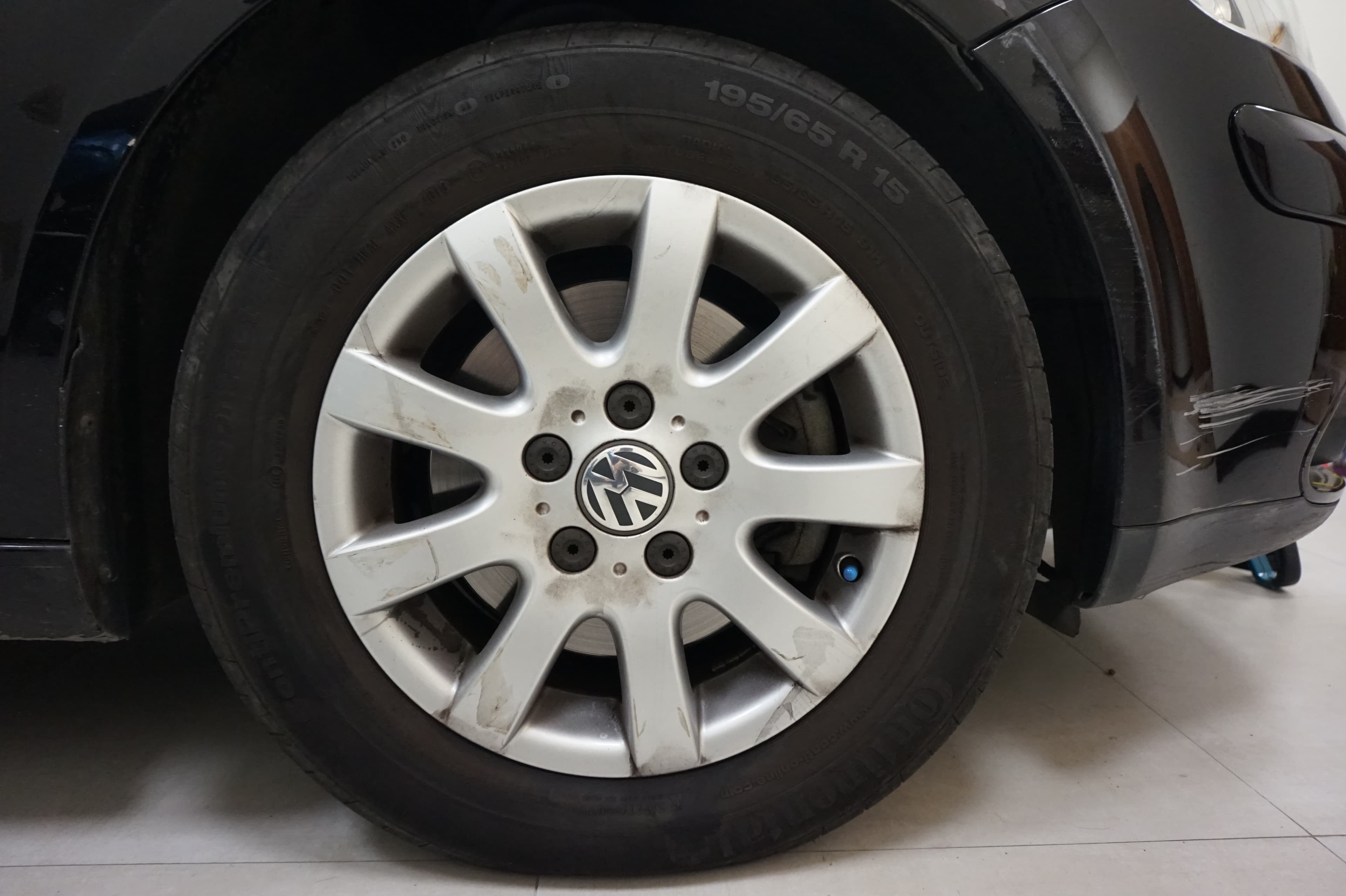
- Close-up of front tire on a car: https://commons.wikimedia.org/wiki/Special:FilePath/Close-up%20of%20Front%20tire%20of%20a%20Volkswagen%20car.jpg
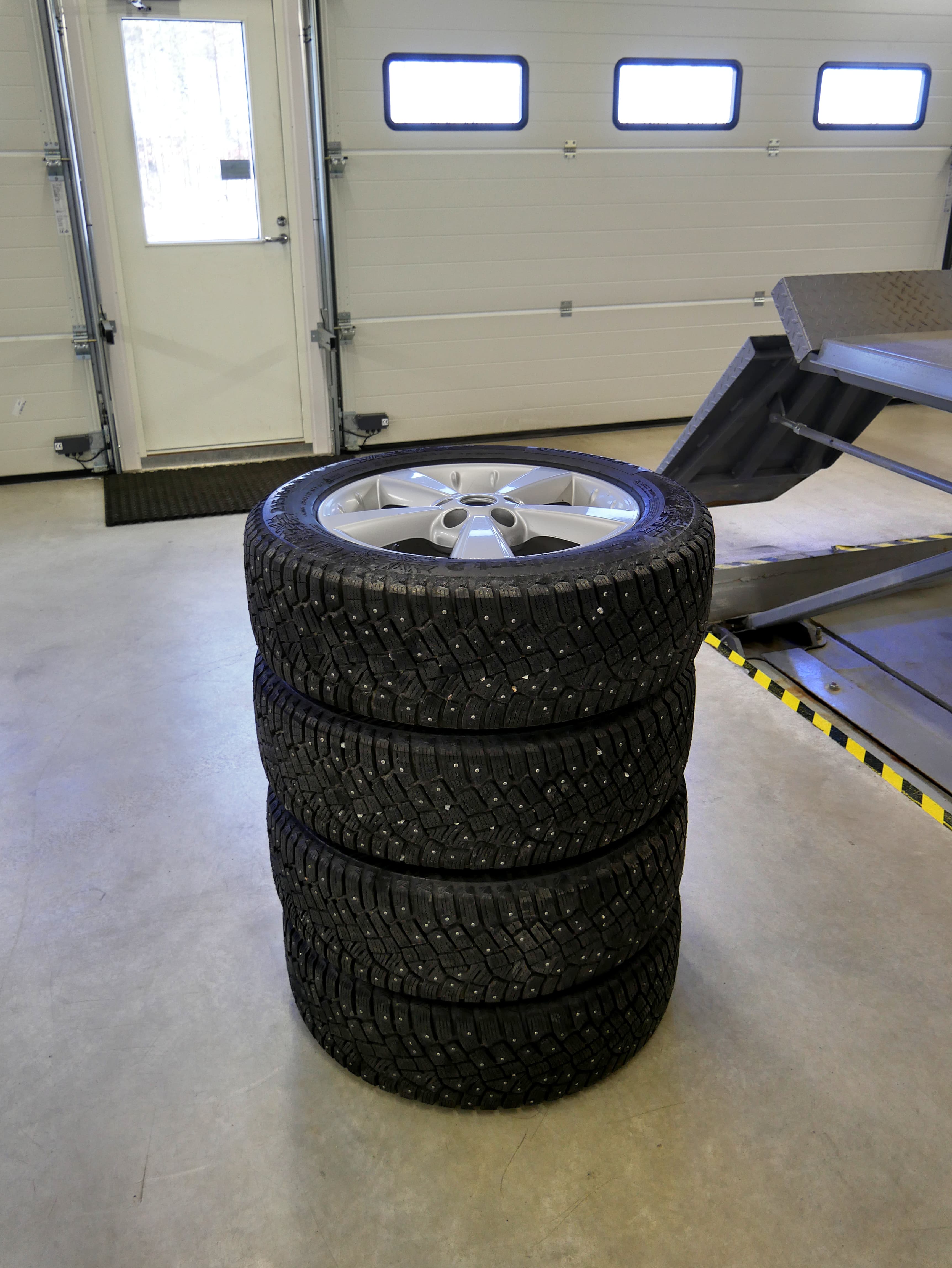
- Stack of tires in shop: https://commons.wikimedia.org/wiki/Special:FilePath/Car%20tire%20stack%2020170516.jpg
Truth is, EVs don’t doom your tires—habits do. Rotate, right‑size, and keep the PSI honest and you’ll be fine.